June 27, 2026
Identifying suspension and steering problems is essential for vehicle safety, handling, and long-term performance. These systems are responsible for maintaining road contact, stability, and steering control under different driving conditions. When issues begin to develop, early detection can prevent more serious damage and costly repairs. This is where local auto repair plays an important role in keeping vehicles safe and roadworthy. In some cases, issues may also be tied to manufacturing defects or recalls; according to Euronews.com, Tesla, the world’s largest EV manufacturer, has recalled more than 375,000 vehicles due to a power steering issue. Proper diagnosis ensures drivers stay safe while maintaining vehicle efficiency and performance. In this guide, we will look at how repair shops approach suspension and steering diagnostics from start to finish.
Initial Inspection and First Signs of Trouble
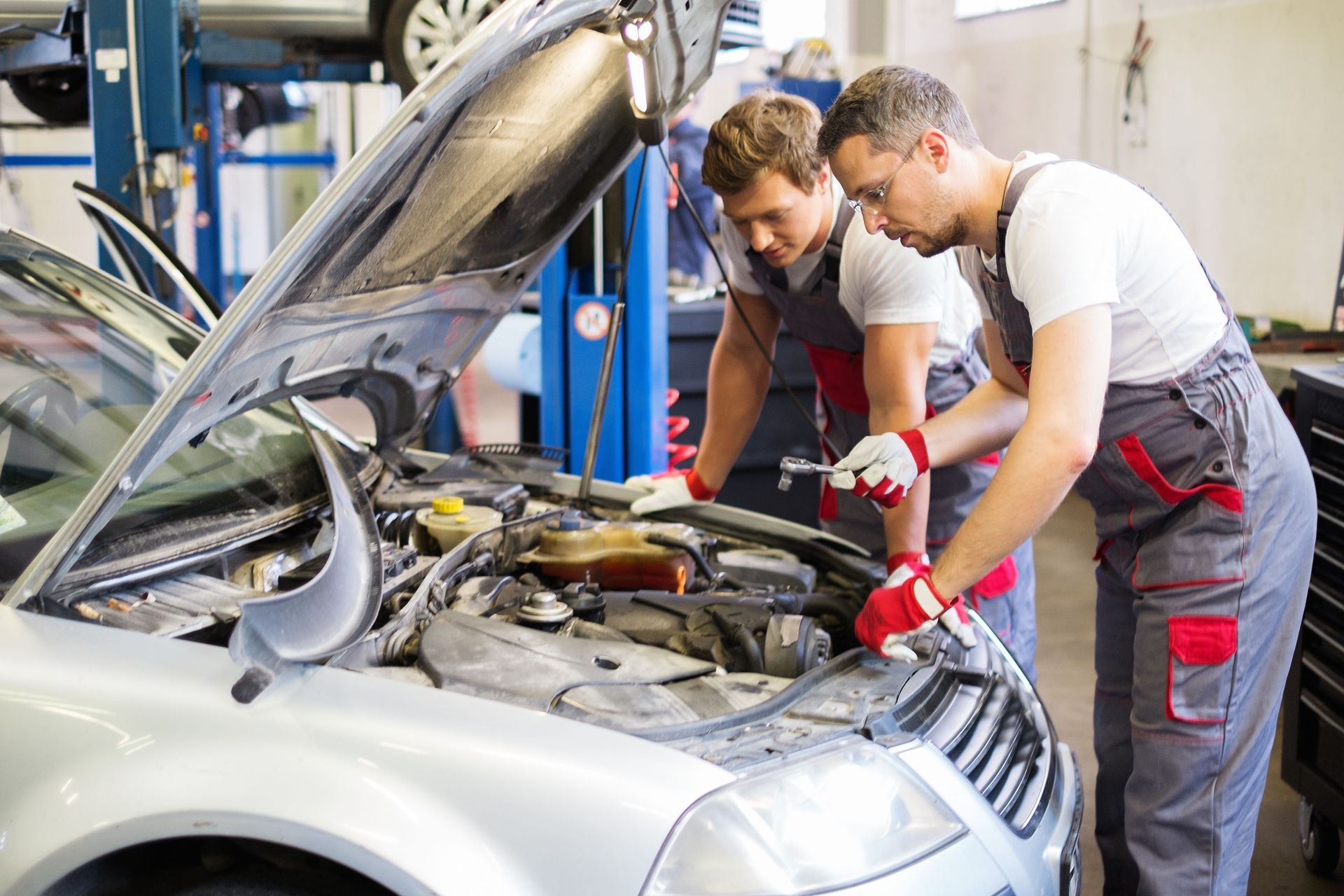
The diagnostic process usually begins with a detailed visual inspection. Technicians look for leaks, worn rubber components, uneven tire wear, rust, and damaged suspension parts. These early signs often point to deeper mechanical issues. During this stage, local auto repair shops rely heavily on experience to identify small problems before they grow. This is where local auto repair begins its role in the diagnostic process. A simple inspection can reveal alignment issues, worn ball joints, or failing bushings that affect steering response. By checking obvious wear patterns and component condition, technicians create a foundation for more advanced testing. Even subtle issues like uneven ride height or steering stiffness can guide the next steps in diagnosis.
Test Drives, Vehicle History, and Road Behavior
After the initial inspection, technicians often take the vehicle on a test drive. This step helps confirm symptoms reported by the driver and reveals issues that may not appear while the car is stationary. Steering pull, vibrations, clunking sounds, or delayed response can all indicate suspension or steering problems. At this stage, local auto repair shops rely on real-world driving conditions to observe how the system behaves under pressure. This is another point where local auto repair becomes essential in confirming real-time performance issues. They also review the vehicle’s service history, looking for past repairs, accidents, or recurring issues that may influence current performance. Listening for abnormal sounds during driving is also critical since noises often point directly to worn components or failing joints.
Diagnostic Tools and Modern Technology Use
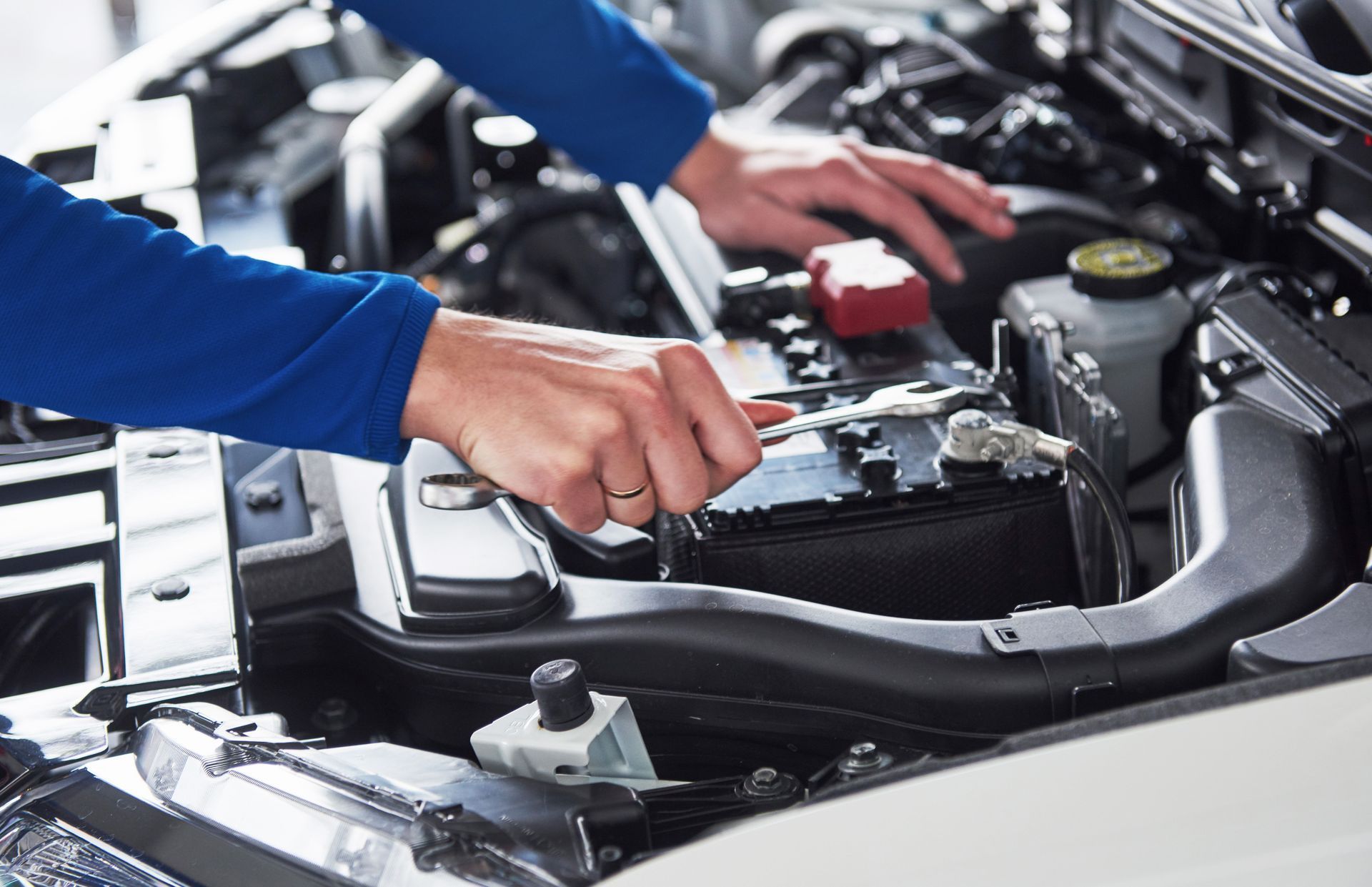
Advanced tools play a major role in modern vehicle diagnostics. Computerized scanners connect to the vehicle’s onboard system and detect fault codes linked to steering or electronic suspension systems. These tools allow technicians to quickly identify hidden electronic issues that may not show physical symptoms yet. Wheel alignment machines are also used to measure camber, caster, and toe angles to detect misalignment problems affecting handling and tire wear. Suspension testing equipment further helps simulate road conditions to evaluate how shocks, struts, and springs perform under pressure. At this stage, local auto repair uses technology alongside hands-on expertise to form a complete diagnostic picture. This blend of mechanical skill and digital analysis improves accuracy and ensures no underlying issue is missed.
Modern diagnostics rely heavily on computerized scanners that connect to a vehicle’s onboard systems. These tools retrieve error codes related to steering and electronic suspension components, helping identify problems quickly and accurately. The data can point directly to faulty sensors or control modules. Technicians then cross-check results with physical inspection findings. This combination improves diagnostic precision. It also reduces guesswork in repairs.
Suspension System Evaluation and Component Wear
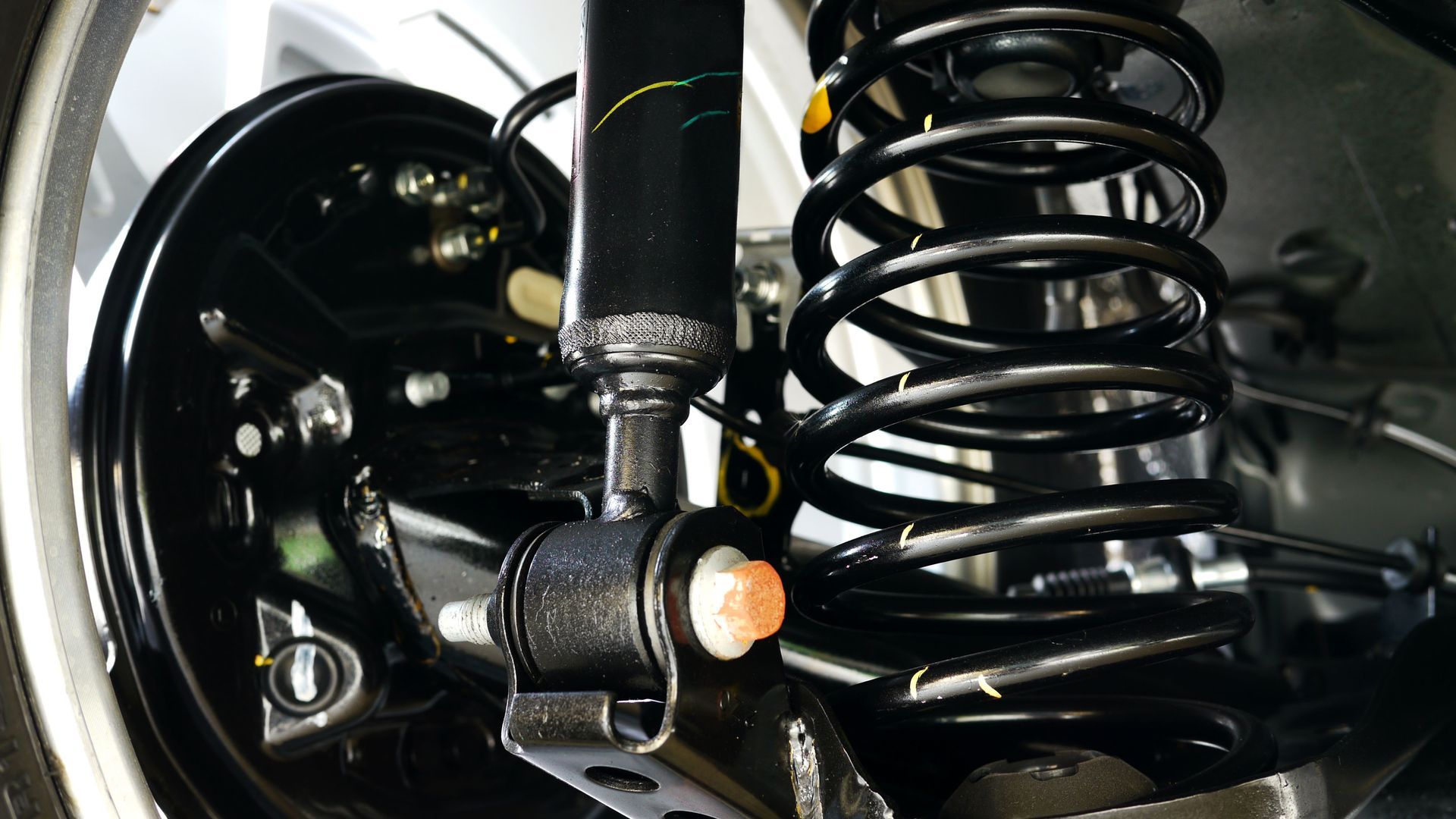
When focusing on suspension issues, technicians carefully inspect shock absorbers, struts, springs, and control arms. These components directly affect ride comfort and stability. Worn shocks can cause bouncing, poor handling, and longer stopping distances. During evaluation, technicians may perform bounce tests or check for fluid leaks and uneven wear. Suspension testing equipment also helps determine how well the system responds under simulated road stress. In many cases, local auto repair identifies whether parts need repair or full replacement based on performance results. This is also where local auto repair becomes critical in preventing small issues from turning into major safety concerns. Regular inspection ensures smoother rides and reduces long-term wear on other vehicle systems.
Steering System Analysis and Handling Performance
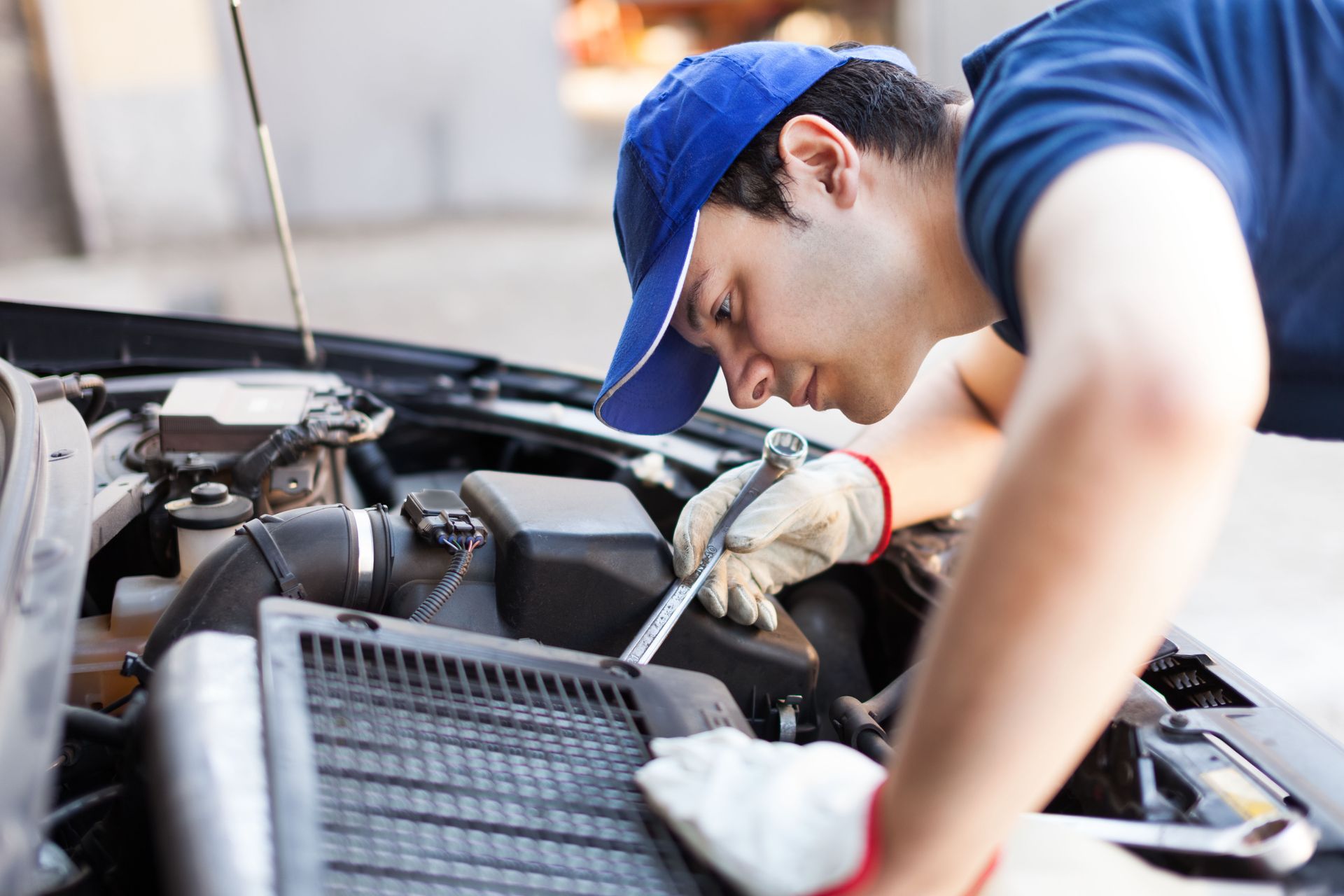
Steering diagnostics focus on linkages, joints, power steering components, and electronic steering systems. Technicians check for looseness, stiffness, or delayed response when turning the wheel. These symptoms often indicate wear in steering racks, tie rods, or fluid-related issues. Steering component analysis helps pinpoint exact failure points while also assessing overall system balance. At this stage, local auto repair technicians use both manual testing and digital diagnostics to ensure precise results. This is another stage where local auto repair plays a key role in maintaining safe and responsive vehicle handling. Proper steering function is essential for safe driving, especially at higher speeds or during sudden maneuvers. Even small steering issues can affect vehicle control, making early detection extremely important.
Importance of Ongoing Calibration and Accuracy
Accurate diagnostics depend on properly calibrated equipment. Alignment systems, scanners, and suspension testers must be regularly maintained to ensure precise readings. Even small calibration errors can lead to incorrect conclusions and unnecessary repairs. Technicians rely on consistent accuracy to diagnose problems correctly the first time. This process improves efficiency and ensures customers receive reliable service. It also allows local auto repair facilities to maintain high standards in vehicle diagnostics, especially as modern vehicles become more electronically complex. Regular calibration ensures that every measurement reflects real vehicle performance, supporting safer and more effective repairs.
Preventive Care and Long-Term Vehicle Health
Preventive maintenance plays a major role in avoiding major suspension and steering failures. Regular inspections help detect early signs of wear before they turn into serious problems. This includes checking tire wear patterns, steering response, and suspension movement. Drivers who address issues early often experience better handling, improved fuel efficiency, and longer component life. In addition, understanding warning signs helps vehicle owners take action before safety becomes a concern. This partnership between drivers and technicians strengthens overall vehicle reliability and reduces unexpected breakdowns.
Ball joints and control arms are also checked closely since they connect the suspension system to the wheels. Even minor wear can lead to handling issues or unsafe driving conditions. Loose joints may create clunking sounds during movement. Technicians test for excessive play manually. These parts are essential for maintaining stability. Failure can severely impact steering control.
Tie rods and steering linkages are inspected for looseness or damage. Problems here can cause delayed steering response or vibration in the steering wheel. Misalignment in these parts affects directional accuracy. Wear often develops gradually over time. Technicians assess both inner and outer tie rods. Repairs help restore precise steering control.
Tire wear patterns are another important diagnostic clue. Uneven wear often indicates alignment or suspension imbalance, helping technicians trace the root cause of the issue. Feathering or cupping patterns provide specific diagnostic signals. These patterns often reflect long-term mechanical issues. Tires are often one of the first visible indicators. They help confirm suspension or alignment problems.
Suspension and steering diagnostics require a combination of visual inspection, road testing, advanced tools, and technical experience. Each step plays an important role in identifying problems accurately and efficiently. From detecting worn components to analyzing electronic systems, technicians use a structured approach to ensure vehicle safety and performance. Reliable diagnosis helps prevent accidents and extends the life of critical systems. For drivers seeking dependable service and detailed inspection, Cima Automotive Service LLC provides professional support backed by thorough diagnostic procedures and skilled technicians who focus on long-term vehicle health and safety.